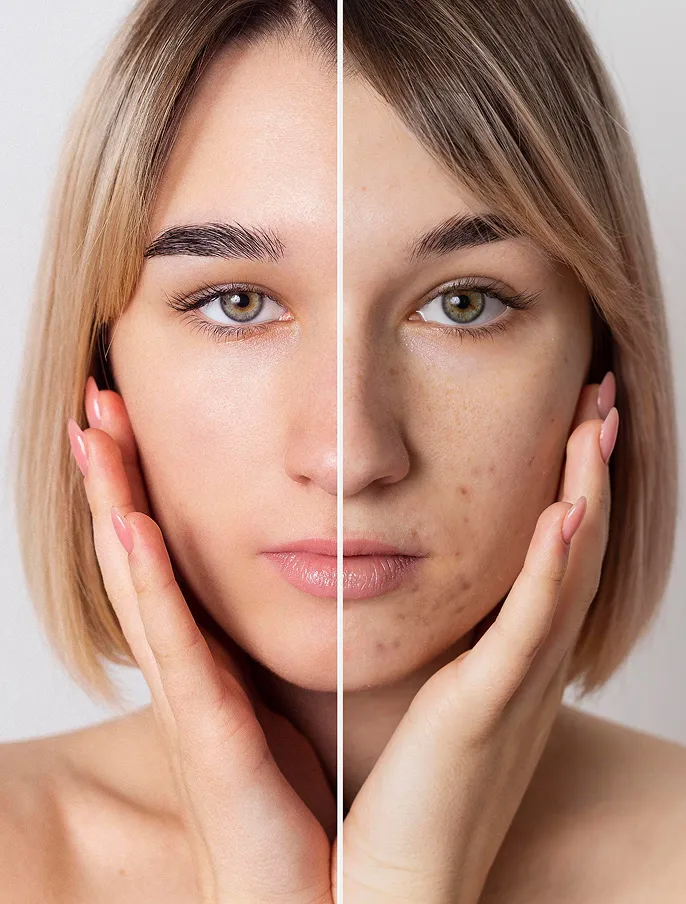


Many people follow a daily skincare routine but still experience breakouts. This often leads to the question: Why is my skincare making me break out? In many cases, the cause is not the skin itself. The cause is small mistakes within the routine or products that clog pores.
Some products contain comedogenic ingredients that block pores and trigger acne. Other routines include too many active ingredients or harsh exfoliants that irritate the skin. These habits can weaken the skin barrier and lead to inflammation.
Understanding common skincare mistakes can help you prevent unnecessary breakouts. Simple changes to your routine often lead to clearer and healthier skin.
Why Your Skincare Routine Might Be Causing Breakouts
Many people assume acne appears because their skin is oily or sensitive. In many cases, the issue comes from the skincare routine itself. Certain habits and ingredients can block pores, irritate the skin, and trigger inflammation.
A common cause is using too many active ingredients at once. Products that contain retinol, exfoliating acids, or strong treatments can overwhelm the skin when combined. This irritation can increase redness and lead to breakouts.
Another cause is pore-clogging products. Some moisturisers, oils, and makeup products contain comedogenic ingredients. These ingredients sit on the skin and block pores, which can lead to whiteheads, blackheads, and inflamed acne.
Over-cleansing or harsh exfoliation can also create problems. When the skin barrier becomes damaged, the skin reacts with irritation and increased oil production. This reaction can make acne worse rather than improve it.
If you often ask, “why is my skincare making me break out?”, the answer may lie in how your routine interacts with your skin. Small adjustments to your products and habits can reduce irritation and help your skin recover.
7 Common Skincare Mistakes That Trigger Breakouts
Using Too Many Products
Many people layer several serums, treatments, and creams in one routine. The skin can react poorly to this overload. Multiple active ingredients may cause irritation and inflammation. A simple routine often works better for skincare for acne prone skin.
Choosing Products That Are Too Heavy
Some moisturisers and oils feel rich but can clog pores. Thick creams may trap oil and debris inside the pores. These products that cause acne often contain heavy oils or waxes that acne-prone skin struggles to tolerate.
Ignoring Comedogenic Ingredients
Some ingredients block pores more easily than others. These are known as comedogenic ingredients. Common examples include coconut oil, cocoa butter, and certain synthetic oils. These ingredients can trigger breakouts in people with acne-prone skin.
Over-Exfoliating the Skin
Exfoliation removes dead skin cells and can help improve texture. Excess exfoliation can damage the skin barrier. This damage leads to redness, dryness, and inflammation. The skin may then produce more oil, which can worsen acne.
Not Removing Makeup Properly
Makeup, sunscreen, and pollution collect on the skin during the day. If these products remain on the skin overnight, they can block pores. This buildup often leads to whiteheads and inflamed acne.
Using Dirty Makeup Brushes or Towels
Makeup tools collect oil, bacteria, and dead skin cells. When these tools touch the face again, they spread bacteria across the skin. This bacteria can trigger new breakouts.
Changing Products Too Often
Many people switch products quickly when they do not see immediate results. Skin often needs several weeks to adjust to new ingredients. Frequent changes can irritate the skin and increase breakouts.
Ingredients That Can Trigger Breakouts
Some skincare ingredients block pores and increase the risk of acne. These ingredients are called comedogenic ingredients. They sit on the skin and trap oil, dead skin cells, and bacteria inside the pores. This blockage can lead to blackheads, whiteheads, and inflamed breakouts.
People with acne-prone skin often react to heavier ingredients. These ingredients work well for dry skin but may cause problems for skincare for acne prone skin.
Common products that cause acne often contain ingredients such as:
- Coconut oil
- Cocoa butter
- Lanolin
- Isopropyl myristate
- Algae extract
These ingredients can feel rich and moisturising. For some people, they block pores and lead to congestion.
Ingredient lists can also hide pore-clogging substances under unfamiliar names. Checking product labels can help you avoid ingredients that may trigger breakouts.
More Comedogenic Ingredients to Watch For
Ingredients that may trigger acne include:
- Isopropyl palmitate
- Myristyl myristate
Ethylhexyl palmitate - Oleic acid
- Laureth-4
- Acetylated lanolin
- Lanolin alcohol
- Carrageenan (seaweed extract)
- Wheat germ oil
- Soybean oil
- Palm oil
Some silicones and waxes can also feel heavy on the skin. These ingredients may contribute to congestion for people who experience frequent breakouts.
How to Build a Routine for Acne-Prone Skin
A simple routine often works best for skincare for acne prone skin. The goal is to keep the skin clean, support the skin barrier, and avoid ingredients that block pores. A routine with a few well-chosen products usually performs better than a long list of treatments.
Morning Routine
1. Gentle Cleanser
Use a mild cleanser that removes oil and impurities without drying the skin.
2. Lightweight Moisturiser
Choose a moisturiser labelled non-comedogenic. Lightweight formulas help hydrate the skin without blocking pores.
3. Sunscreen
Apply sunscreen every morning. Sun exposure can increase inflammation and worsen acne marks.
Evening Routine
1. Cleanser
Wash the skin to remove makeup, sunscreen, oil, and pollution.
2. Targeted Treatment
Use one treatment product if needed. Ingredients such as salicylic acid or niacinamide can help support clearer skin.
3. Moisturiser
Apply a light moisturiser to support the skin barrier and reduce irritation.
Consistency is important. Skin often needs several weeks to respond to a routine. Avoid frequent product changes, as this can irritate the skin and increase breakouts.
If breakouts continue despite a careful routine, professional skin treatment for acne may help identify the cause and restore balance.
When Skincare Alone Is Not Enough
A good routine helps many people manage breakouts. Some cases of acne require more support than over-the-counter products can provide. If breakouts continue, professional skin treatment for acne can help identify the cause and guide the next steps.
Persistent acne often develops due to factors such as hormonal changes, inflammation, or blocked pores that do not respond to basic skincare. In these cases, using more products may increase irritation rather than improve the skin.
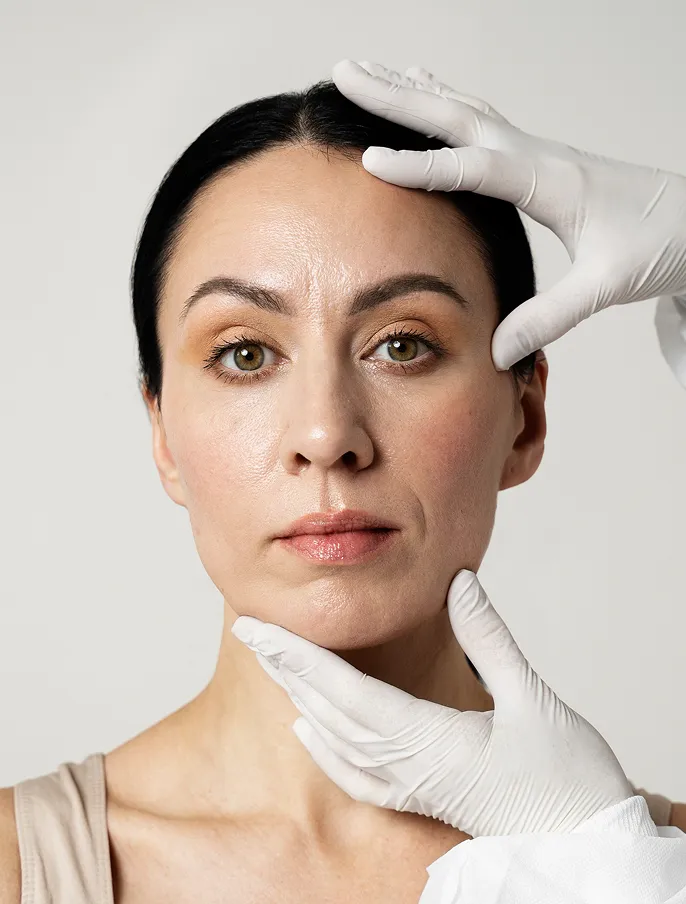
A professional skin assessment can review your current routine, examine your skin condition, and identify products that cause acne or ingredients that clog pores. This process helps remove guesswork and creates a routine that suits your skin type.
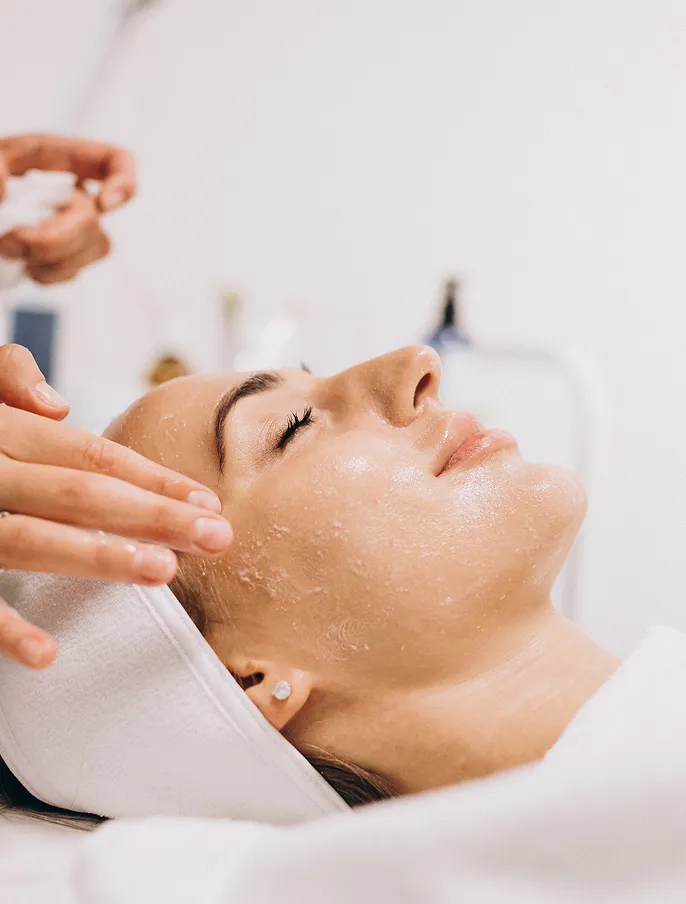
Clinical treatments may also support clearer skin by improving cell turnover, reducing congestion, and calming inflammation. A structured treatment plan can help restore balance and improve long-term skin health.
Ready to Find the Right Approach for Your Skin?
Breakouts can feel confusing when you follow a routine and still see acne appear. Small changes to your products or habits can often improve your skin. In some cases, professional guidance can help you identify the cause faster and avoid further irritation.
At The Lounge Aesthetics, our cosmetic registered nurses take the time to understand your skin. We assess your current routine, identify common skincare mistakes, and recommend suitable options for skincare for acne prone skin.
If you feel unsure about your routine or want support with skin treatment for acne, our team is here to help. A personalised consultation can give you clear answers and help you move forward with confidence.